
Daily Documentation
Tuesday, November 29th, 2016
Wednesday, November 30th, 2016
Lewis: Project was introduced; we created groups, established roles, helped create the website.
Watney: Project was introduced; we created groups, established roles, helped create the website.
Martinez: Project was introduced; we created groups, established roles, helped create the website.
Johansson: Project was introduced; we created groups, established roles, helped create the website.
Below you will see our thorough documentation we did throughout our project. We did this in order to help manage our project work and see what positive and negative changes we made to the project over time. We of course also did this to let the public get as much information as possible about our project.
Note: For the pictures in the later days (when we started building), click on the picture to enlarge it.
Our Jobs
We each had jobs, in order to help our project run smoothly. The jobs we chose are listed below:
Lewis (Team Commander & Dr. of Geological and Planetary Sciences): Owen Wilson
Watney (Botanist & Mechanical Engineer): Catalina Cabrera
Martinez (Pilot & Astronautical Engineer): Tiffany Trotter
Johansson (Communication Systems Engineer & Reactor Technician): Christopher Fields
Lewis: Today I worked on the Sketch-up model and started designing a solution. We found out that the clipped delta was the best for the fins of our rocket. We also we want to use nylon for the parachute because how strong and durable it is.
Watney: Today we started generating ideas and researching to find the most effective rocket design. During this process, we researched a bit more on parachutes. While looking at the materials we could use in class, we decided we wanted to use a different material on the parachute. We decided on using nylon becuase its cheaper and more durable then normal fabric or plastic. While researching, we also found out that fins are used to stablize and control what direction the rocket travles while it takes off. A clipped delta shape or a trapezoid was, in our opinion, the best fin shape for the project. One of these reasons includes the fact that the clipped delta would we easier glue on the rocket. We found that three or four fins was the most common amount used. We went with three because it would reduce the amount of drag on the overall rocket. Because of how fast our rocket will be traveling, we also decided to use a rounded nose, apposed to a sharp end. This was to prevent large amounts of drag in our rocket and create smoother navigation.
-Sources Used Today:
http://www.azom.com/article.aspx?ArticleID=10429
http://www.nakka-rocketry.net/fins.html
http://sciencelearn.org.nz/Contexts/Rockets/Science-Ideas-and-Concepts/Rocket-aerodynamics
Martinez: I helped research and generate ideas for rocket design. I also figured out the design for our rocket cone, and looked at the provided rocket materials. Lastly, I helped with designing the home page for the website.
Johansson: Today I finished the "Individual Research" section of the "Research" page. I also worked on Documentation page and Home page, and finished setting up website. Lastly, I partially helped with researching ideas for the fins and parachute; however I mostly worked on the website.
Lewis: Today I figured out the dimensions of the rocket body and egg (listed below):
Cardboard Tubes
13 inches tall
6.5 inches tall (each tube)
2 3/4 inches diameter
Plastic Tube
12 inches tall
¾ inch diameter
Egg Size
56.275mm length
42.93mm width
21 grams
We decided that we would use two 2 3/4 inch diameter cardboard tubes for the rocket body. We thought we could put the plastic tube on the interior of the rocket, and surround that with the other cardboard tubes
Watney: Today we researched rocket bodies, and what was most efficient. We went with a straight cylinder, because it was most commonly used and consistently worked. We also measured all of our materials, and picked the large tube to use as our base. Lastly, we tried figuring out our dimensions.
-Sources Used Today:
https://en.wikipedia.org/wiki/Chicken_egg_sizes
http://ffden-2.phys.uaf.edu/102spring2004_web_projects/andrew_allen/Rocket_Bodies.html
Martinez: I helped with finding out the weight and dimensions of our egg. I also helped with the "Our Goals" section of our home page. Overall, the group determined the materials and shapes for out rocket base.
Johansson: Today, I helped working on deciding the materials and shape for the base of the model rocket. I also helped in researching more on rocket designs, and completing the "Our Goals" section of the main page. I also got the music to work on the front page of our website, figured out that our team name would be "Ares Space Company."
Thursday, December 1st, 2016
Friday, December 2nd, 2016
Lewis: Today I finalized final model. I tried to update the Sketch-Up model; however we did not finish it. On Monday we want to finish Sketchup model. I also helped finalized the materials we would use for our final model.
Watney: Today we picked what materials we wanted to use for the rocket/egg drop contraption, and help Lewis with a rough sketch up of how we want our model to look. We started research of what we want our nose cone to be made out of.
Martinez: I helped with working on the research section and overall website. I also helped find out what materials we should make the nose cone out of.
Johansson: Today we finalized some of the materials we will use in order to build our model, and continued working on the website. Today we worked on the "Rocket Research" section of the website, in order to learn more on what to make the nose cone out of.
Lewis: Today I started and finished our 3D model in Sketch-Up. We want to make the nosecone a round parabola and the fins a clipped delta. We also want have the body tube inside the exoskeleton of the rocket. Tomorrow we will decide what materials we want for the egg drop test.
Watney: I was not here today...
Martinez: Today I helped with the cone part of the 3D model in sketchup, and helped edit parts of the website. Tomorrow, along with deciding materials, we will try to finalize our 2D orthographic drawing.
Johansson: Today I finished the template for the "Documentation" page, and helped add the cone to the top of the 3D model. When we finalize creating our 2D orthographic drawing tomorrow, I will try to help.
Monday, December 5th, 2016
Tuesday, December 6th, 2016
Lewis: Today I resized the 3D model to make the dimensions accurate. We have both the cylinders sketched out and have created the nose piece. Tomorrow we will start the 3D model of our egg contraption.
Watney: Today we redid our 3D model with more accurate measurements, along with when to bring materials. I will bring bubble wrap, straws, and a Styrofoam nose. With a new 3D model we feel ready to build, and I feel like we have a good plan.
Martinez: I was not here today...
Johansson: Today, I continued working on the "Documentation" page and the "Group Research" section of our website. I also helped manage the materials we need to bring in, and Watney volunteered to bring in bubble wrap for the outside of the egg, as well as straws and Styrofoam for the nosecone. We also discussed negotiations with different countries, which will start tomorrow at the beginning of the school day.
Wednesday, December 7th, 2016
Lewis: Today I started to assemble and obtain materials for the rocket. We started to create the egg drop contraption, which will be triangular and made of straws. We will then add the bubble wrap around the end, and are considering adding it as walls around the contraption.
Watney: Today negotiations have officially started, and we plan to make deals with Iran, as we feel they have the most valuable material for our Habs. but so far, we have emailed every country in case they would like to create deals. We have offered a percentage of profit along with branding on our rocket and website. I also brought our materials for building our contraption to keep the egg safe. Tomorrow I will bring nylon fabric for the parachute.
Martinez: Today I helped Johansson with the negotiations with other countries and we discussed our rocket material. I also helped start assembling the materials for our rocket design.
Johansson: Today negotiations started. I worked on that for most of the day, but also started considering what we would build our rocket out of, and how. I also helped
assemble our rocket for launch day.
Friday, December 9th, 2016
Johansson: Today I finished working on negotiations with other countries. We are proud to be in partnership with India and Iran. We get to use duct tape and canvas for our Hab now, but have to give India 20% of our profits/branding/an astronaut seat/research space and must give Iran 5% of our profits/branding/an astronaut seat/nuclear weapon transportation. I also worked on the "Rocket Research" part of the website and completely finished the front page, the header, and the footer (including the hit counter).
Martinez: Today we finalized our negotiations with other countries. We are now partnered with India and Iran and have access to duck tape and canvas. finished the main structure of our egg drop contraption.
Watney: Today we finished gluing straws together and started measuring how much bubble wrap we are going to use. We also finished negotiations and made a deal with Iran for 10 feet of duck tape and India for canvas, creating the contracts in TED class for the ambassadors of Iran and India to sign.
Lewis: We got the majority of our egg drop contraption done. The picture to the right show the state of our materials after today's class. Monday we need to create the nylon parachute, as well as the bubble wrap lining.
Johansson: I worked mostly on negotiations today. We secured a deal with India, offering 20% of our profits, branding on our website and rocket, research and development space, and more. Other than that, I helped with our budget, and getting materials approved for building.
Martinez: Today I worked more on negotiations with other countries. I also recorded the price for the materials we brought in. These materials included straws, newspaper, high-tech nylon fabric, and bubble wrap.
Watney: Today we have started putting straws together and measuring how the egg is going to fit in it. We got the materials checked by a NASA expert (Mr. Holler), and adding the expenses into our expenditure sheet. We talked a lot about negotiations. and so far we have a deal with India, and are waiting for Iran to respond to our offer.
Lewis: I started cutting and assembling straws for the egg drop contraption today. I also helped make decisions on the countries we would negotiate with, and caught up on my documentation for the past few days.
Thursday, December 8th, 2016
Thursday, December 15th, 2016
Friday, December 16th, 2016
Johansson: Today we revised our contraption for dropping our egg. Since our egg survived, we wanted to use a modified version of our original contraption. We wanted to allow the contraption to fit into the rocket itself. We decided that if we fit the contraption into the nosecone, we could eject the nosecone itself from the rocket without having to use a shock cord.
Martinez: Our group reflected on our contraption and discussed what we would change and keep about the design. In the end, we decided to remake it, making our parachute bigger for more drag on our egg's decent the ground. We considered using the shock cord, although we decided that it would not be worth it to try to carry our entire egg back to the ground.
Watney: Today we reflected and revised how our contraption is going to work in our final model. We decided to completely re-build it, but still have the same design. we want to make it bigger so our egg can fit better inside it. We also want attach the parachute in a different way so the strings don't get as tangled. We want the contraption to somehow fit in the rocket but I'm not 100% on board with the idea.
Lewis: Today we decided that we want to make our egg drop contraption both skinnier and taller. We also thought that our contraption would work better if it was actually inside the nosecone. Because of this, I started building the contraption again so it could fit in the rocket nose cone.
Wednesday, December 14th, 2016
Johansson: Today we tested dropping our egg drop contraption. Our egg survived, and after the drop I wrote the reflection on the "Egg Drop Contraption Page". For a more detailed reflection, see that page!
Martinez: We tested our egg drop contraption today to get an idea of how it will work during our actual launch. The egg we used ended up surviving and our contraption stayed intact.
Watney: Today's egg drop was a surprising success! I did not think our egg would survive, especially because of the difficulties we ran into today. We had everything put together, but the parachute strings where constantly getting tangled and we ended up cutting and re-tieing strings a lot last minute. We plan on using this design for our rocket, and the biggest improvements we can make is parachute size and figuring out how the contraption will fit in our rocket. more details can be found under the egg drop contraption page!
Lewis: Today's egg drop testing was a success! Our egg survived, after some difficulties before the drop. We will try to change these difficulties, which included the process of strings becoming tangled on each other, as well as becoming untied from the parachute.
Tuesday, December 13th, 2016
Monday, December 12th, 2016
Johansson: Today's class period we were supposed to test egg dropping, but the testing date was extended to Tuesday due to the lack of work time. We prepared our recovery system for testing today, and continued working on the costs of materials we will be using. We got $800,000 as the final cost, although this may change as we add and remove materials from our rocket.
Martinez: We finished building our egg drop contraption today. We also started calculating the amount of money we have currently spent, which was about $800,000 (excluding some of the parts we will add later).
Watney: Today we finished putting bubble wrap around our contraption and created a parachute out of nylon fabric. We then connected the parachute to the egg drop contraption.
Lewis: We finished the contraption today! I glued and lined contraption with bubble wrap, making it ready to survive tomorrow's egg drop testing!
Monday, December 19th, 2016
Tuesday, December 20th, 2016

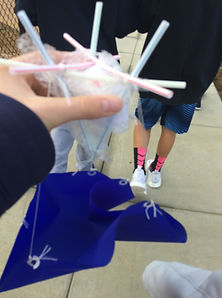


Lewis: So today I worked on the resized measurements of the contraption. We also wanted thicker straws for our contraption. We also cut our parachute and made it 2 inches bigger.
Watney: Today we decided to resize the parachute so it would create more drag, for the egg to land slower. We updated our website with more pictures and everyone is bringing there materials for finishing the rocket tomorrow. We also forgot to mention the bomb! it is one oz and we are taking it from Iran to mars.
Martinez: We resided our parachute to be bigger. We then discussed changes to our egg contraption and made a design. We also worked on our website, adding pictures and information.
Johansson: Today I worked on uploading pictures to our websites, and started creating our new egg drop contraption design. I uploaded both pictures for our egg drop contraption and our infographic. I also worked on the "International Relations" page on our website.
Lewis: I measured and cut the straws. But we ran in to the problem of how is our contraption going to fit in our rocket. We had two main ideas. The first one is use the contraption as part of our nose, or put it up side down in the rocket. Luckily we have the weekend to decide.
Watney: We have our social media up and running today with branding and promotion. today we where measuring straws and gluing them together for our final contraption. Chris brought in much thicker straws to use, and trying to figure our how it is going to fit in our rocket. we did not come up with a definate solution but we will decide by Monday.
Martinez: Today we made our twitter account (https://twitter.com/Ares_Space). We got everything up and followed some of our fellow AoE students. Then I helped work on the website design and added more information. I brought in a boiled egg to help make the egg contraption.
Johansson: I helped create our twitter account today (https://twitter.com/Ares_Space) and followed some of the other companies in the AoE. I also helped create the "Materials We Used" page, as well as the "Engineering Design Process" page. I also linked our social media accounts (Twitter and Instagram) to our website. Lastly, I rearranged the tabs on our website into five main tabs (Home, About, Rocket Design, Hab Design, and International Relations). I also edited parts of the Hab Desgin section.
Lewis: Today we decided to use the contraption as part of the nose cone. We had to cut the ends of the contraption so it can fit in our styrofoam nose cone. We thought at first it was a bad idea, but the trade-off is the strofoam cone can add better protection than the extended straws. We need to finish tomorrow.
Watney: Today we figured out how our contraption was going to launch. we originally wanted the egg contraption to float down by its self but, decided to make it part of our nose cone. We want to make the nose cone hollow in the shape of our contraption so it could fit inside. we also decided on no shock cord. The parachute will come out of the top of the nose cone and the contraption will stay in the nose cone (Hopefully). Today we worked on putting the parachute together and figuring out how everything will fit together and function, along with find center of pressure so we know where to place our fins.
Martinez: Today I helped work on the website design. It was mostly making sure the fonts and color was consistent throughout the website. We also worked on our rocket and egg contraption. Our group was able to figure out the center of pressure so that was a big step forward.
Johansson: Today we started putting together all of our materials into one rocket. I glued on India and Iran's flags, as well as the Ares Space Company logo. We also finished putting together our new egg drop contraption for launch day. Lastly, we put together the engine parts and the plastic tube that will go on the inside of our rocket.
Lewis: We carved out the nose cone and the contraption fits! We also tied on the parachute. I finished gluing the rocket together and Johansson put on the ascetics to the rocket. Today we finished the rocket and egg contraption.
Watney: Our team has finished the rocket and the hab today! We started by making our Styrofoam nose cone hollow so our egg contraption could fit in it. From there we attachted all the strings from the parachute to our egg contraption inside the nose cone. While me and Lewis where doing this, the other team members worked on putting our two large tubes together for the rocket body. They also glued the fins onto the rocket and made sure it was placed in the correct position. I cut a small piece of clear plastic tubing and made sure our engine could fit inside of it, and Lewis cut some card board so we could put the engine in the center of our rocket. From there we put fire proof paper to prevent our things from melting, and finished assembling it!
Martinez: We finished our model rocket and hab today. We made sure to even space and glue on our tubes. We also hollowed out the nose for out egg contraption to be placed on. We then glued the tubes together and added on the labels (flags and symbols) to the sides. There was a complication with our rocket when it came to the weight, it goes a little over the limit.
Johansson: Today we finished creating our rocket! I think today we got the most work done, mostly because of the due date that was at the end of class. I helped glue together the two rocket body tubes, added the cardboard fins, branded our rocket with flags and our company name/logo, completed the engine tube construction, and added tissue paper (so our parachute won't catch on fire during launch). We then added the guiding straw on the rocket (towards the end of class). We also completed some of our website pages (including "Engineering Design Process") and promoted our company so people will view our website over Christmas Break (we will be engineering ginger bread houses tomorrow).


Tuesday, January 3rd, 2016 [MODIFICATION DAY]
Lewis: Today was a shock. We were informed that our rockets had to be under 3 ounces for it to pop off the nose of our rocket. Se we had to shed 2 ounces from our starting 5. Watney helped me discuss the plan and I took action on redesigning our new and improved rocket. Also it was a pain to re-calculate the center of pressure.
Watney: Today we had a large NASA meeting. With the testing they did, they informed us that our rocket should be at 3 onuses or less. We had a limit of three hours to build and we had a major issue, as our rocket was nearly 4 ounces. We started out by weighing how much each piece was and what was absolutely needed in our rocket. The modifications we ended up making was cutting our rocket in half so reduce the weight, losing the Styrofoam nose cone, cutting our parachute 2 inches all the way around. We re-glued flags on the sides and using the star contraption for our nose cone. although this makes me very nervous, i'm very hopeful at how our rocket will launch.
Martinez: Today we were told that we had to make our overall rocket weight 3 ounces, instead of the previous 4. The reason we had to change it was due to new information provided by testing they determined that 3 ounces would be better. To reach these new requirements we cut part of our parachute, cut our rocket in half, and scrapped our nose cone.
Johansson: When we came back from break, we were informed that our rocket weight had to be lighter in order to have a successful launch. This was a major set back, since we are going to launch our rockets tomorrow. On the other hand, we had almost two class periods to modify our rocket. Most of my documentation on this is on the Weight Modifications page in the Rocket Design tab.
